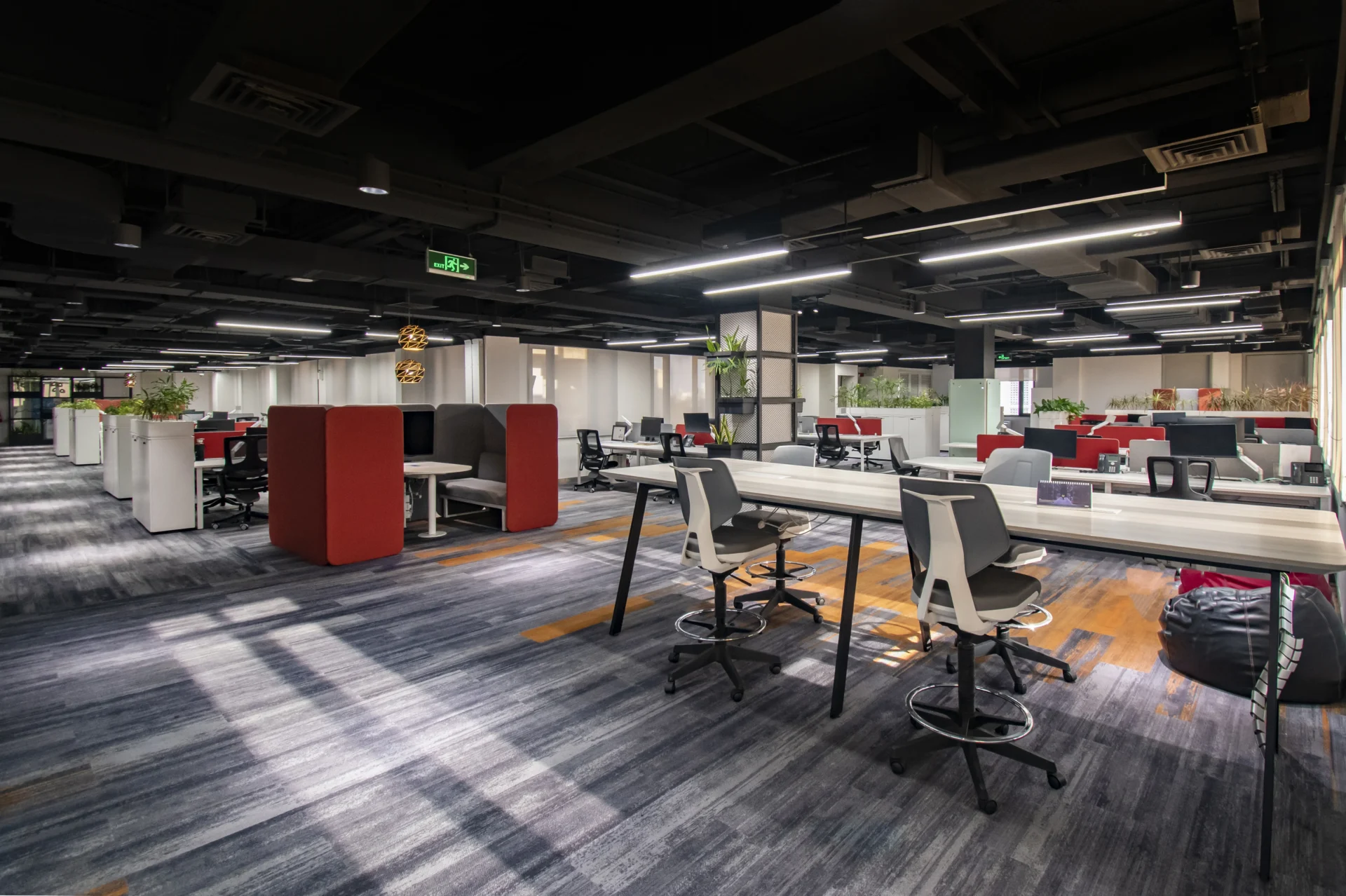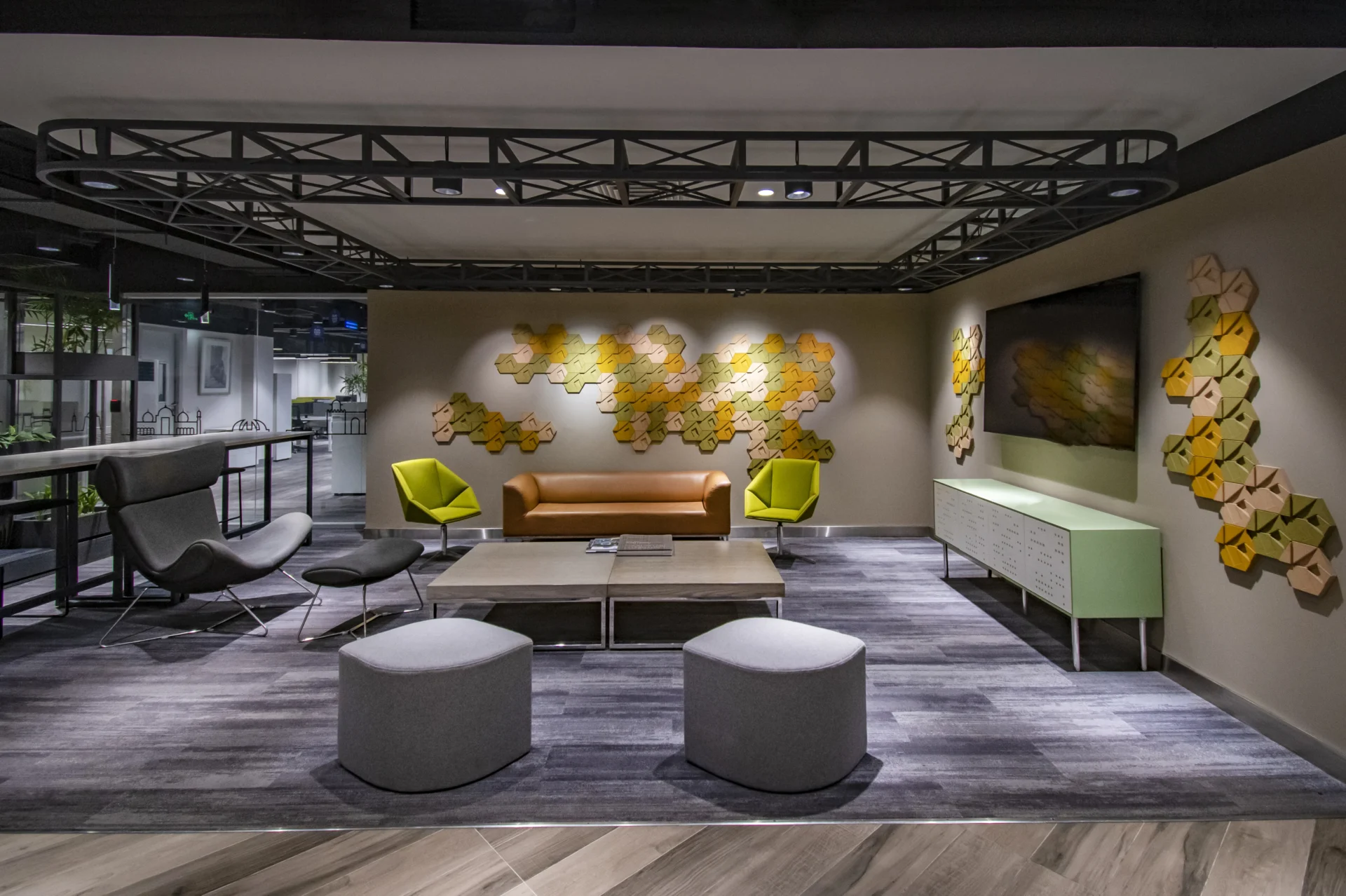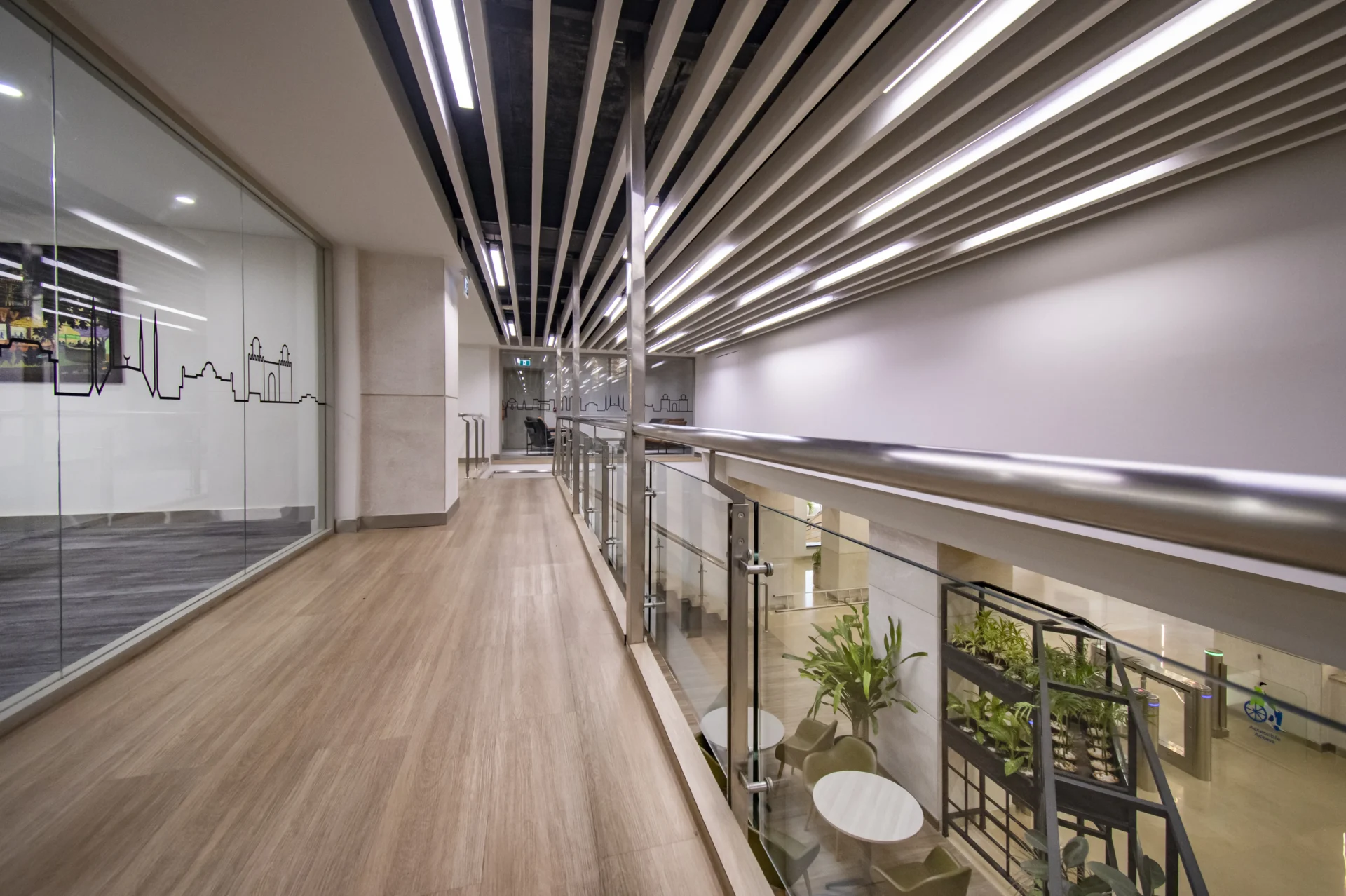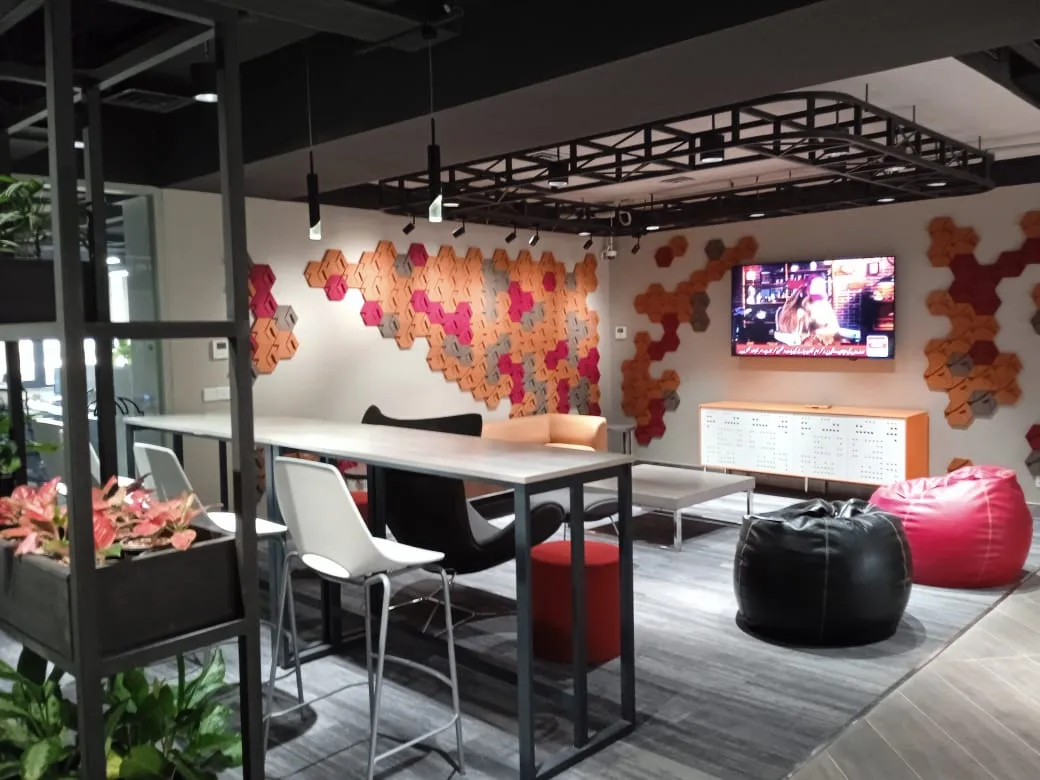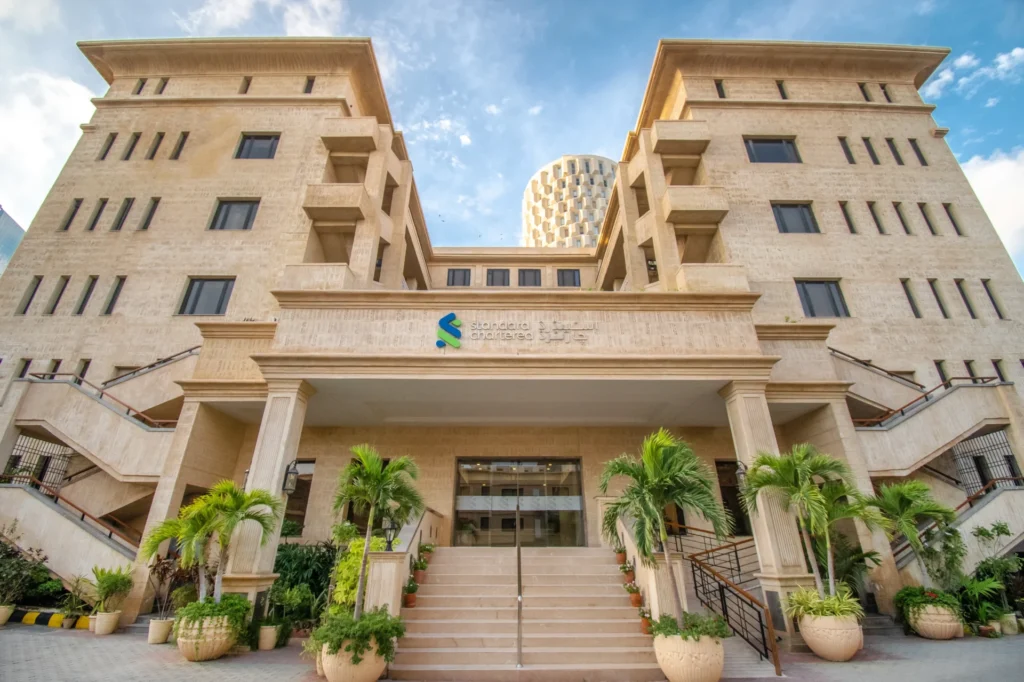
Heritage conservation and restoration has become an urgent necessity as cities across Pakistan face rapid urbanization. contemporary, restoration is often mistaken for nostalgia – a sentimental return to what once was. Often in the context of Pakistan’s evolving cultural and built environments: restoration is far more dynamic. It is an act of re-engagement with place, with purpose. And it is with the communities that define our collective identity. Through intentional, culturally rooted action, organisations can become active agents in shaping a restorative, future-facing society. Restoration begins with re-affirming the significance of place—its history, its aesthetics, and its cultural memory. The headquarters of Standard Chartered Bank spotlight these key aspects while occupying a site in the financial district of Chundrigar Road.
As known today I. I. Chundrigar Road was once identified as McLeod Road, that remains one of Karachi’s most historic financial corridors, a district that retains one of Karachi’s most historic colonial architecture, commercial urban dynamism, and cultural memory intersect. Amidst this layered fabric stands the restored head office of Standard Chartered Bank, occupying a site that dates back nearly a century; it represents a rare and deliberate corporate presence that is more than symbolic; it represents a rare and deliberate corporate commitment to architectural stewardship. By conserving its historic headquarters rather than opting for a new, anonymous structure, the bank has anchored itself within the cultural continuum of the city. This act of restoration reflects an understanding that corporate identity is enriched, not diminished, by local heritage. It signals a belief that engaging with the past is not a burden but a living resource – and that re- engaging with place can become a powerful expression of corporate purpose.
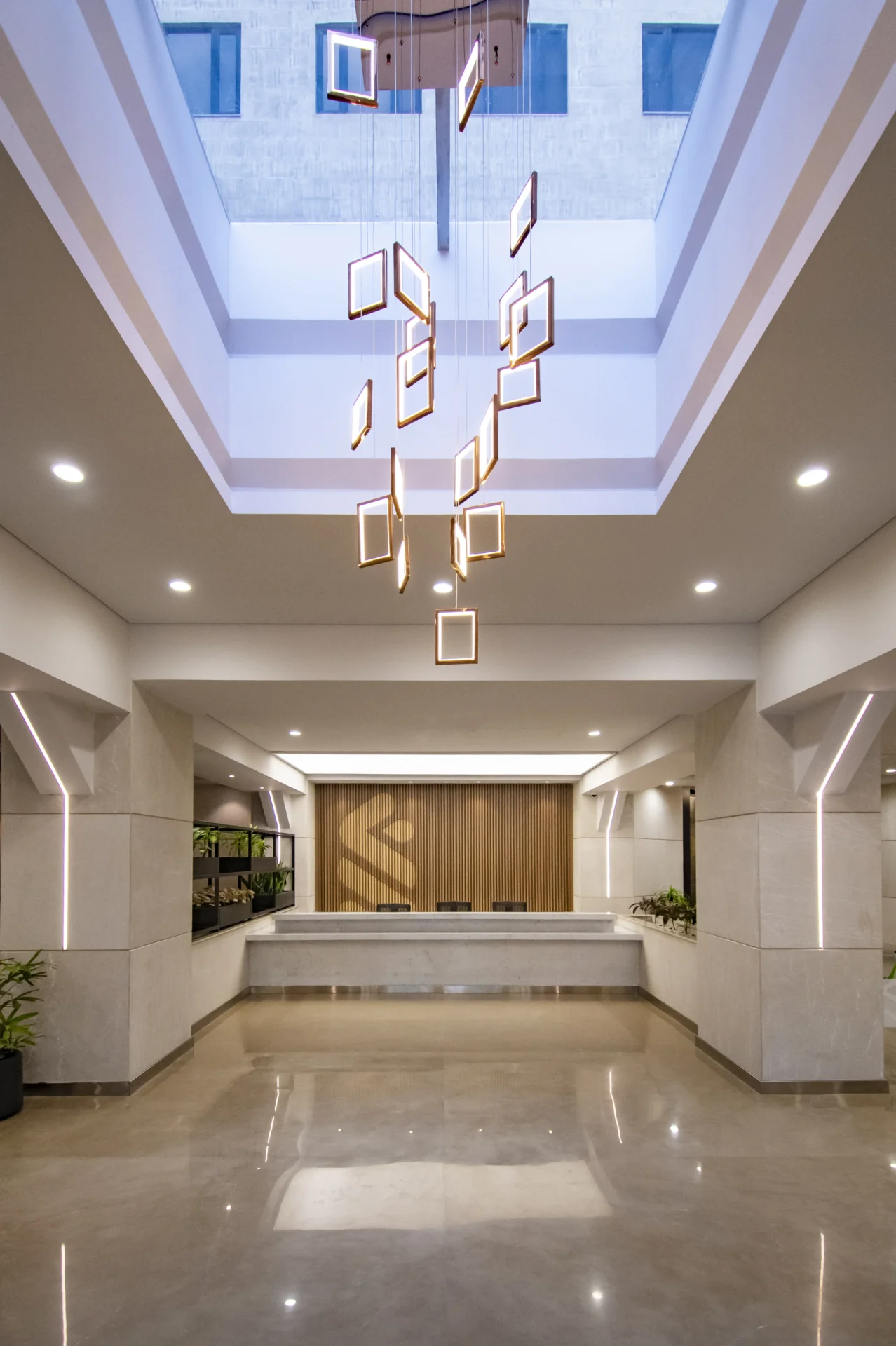
‘THE TRANSFORMED HEADQUARTERS BREATHES NEW LIFE INTO THE BANK’S ETHOS OF RESTORATION AND SUSTAINABILITY. MEANINGFUL REUSE AND SUSTAINABILITY. WHAT IS MOST COMPELLING, HOWEVER, IS THE RESPONSE OF OWNERSHIP OF THE WORKFORCE. THEIR VISIBLE SENSE OF RISE IN PRODUCTIVITY REFLECT HOW DEEPLY THEY VALUE AND ENJOY THE TRANSFORMED WORKSPACE.’ – LEADERSHIP SCB PAKISTAN
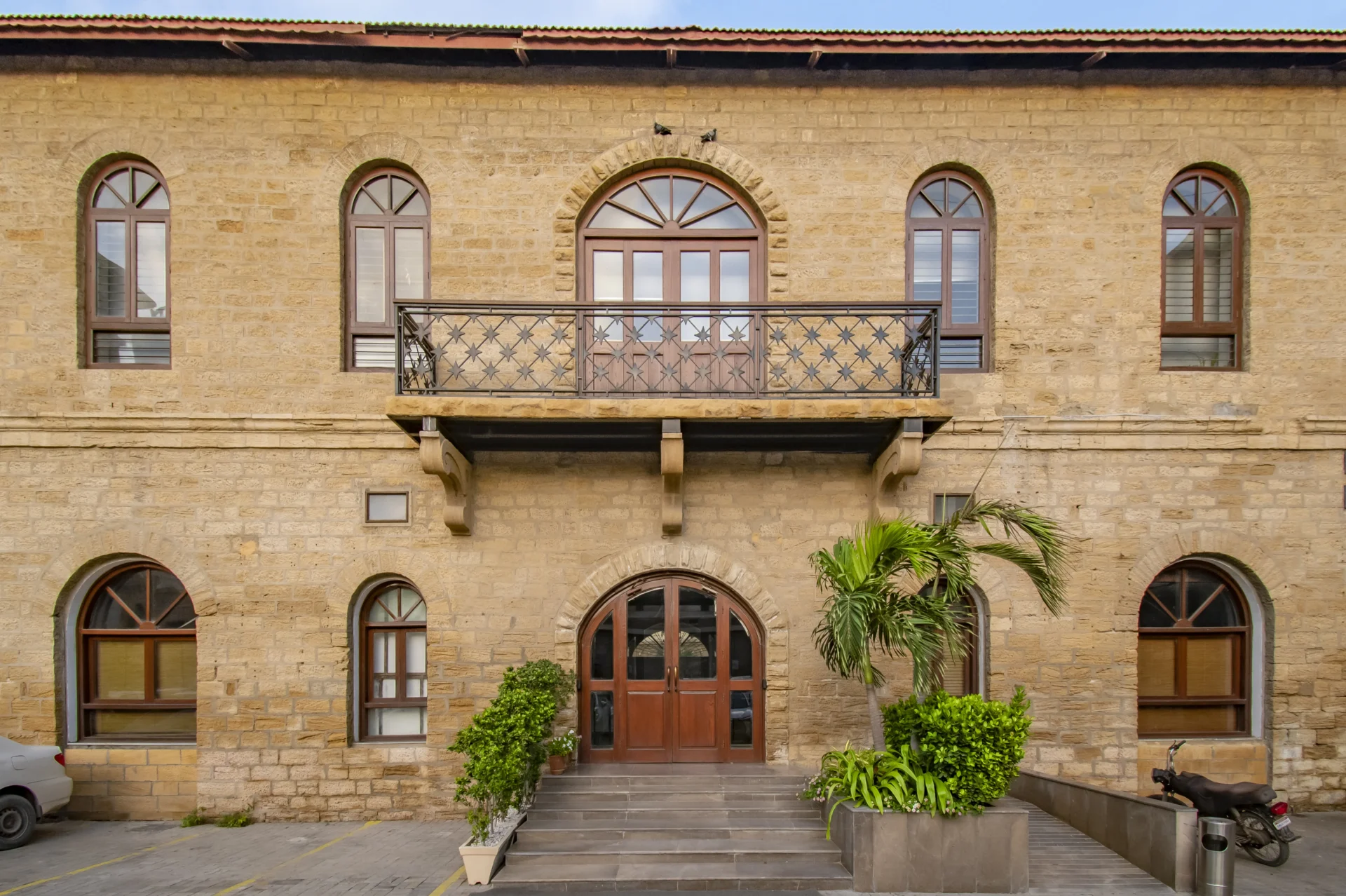
The story of Standard Chartered in Pakistan begins in 1863, when the Chartered Bank of India, Australia and China first established its Karachi operations, marking the beginning of a 160-year institutional lineage. The current structure, a yellow 160 sandstone edifice from the British colonial era, has stood as a quiet sentinel amidst Karachi’s transformation from a modest port town to a sprawling metropolis. Its architectural vocabulary – arched windows, high ceilings, and sturdy red stonework – echoes a bygone era, yet its continued relevance speaks to the timelessness of thoughtful design.