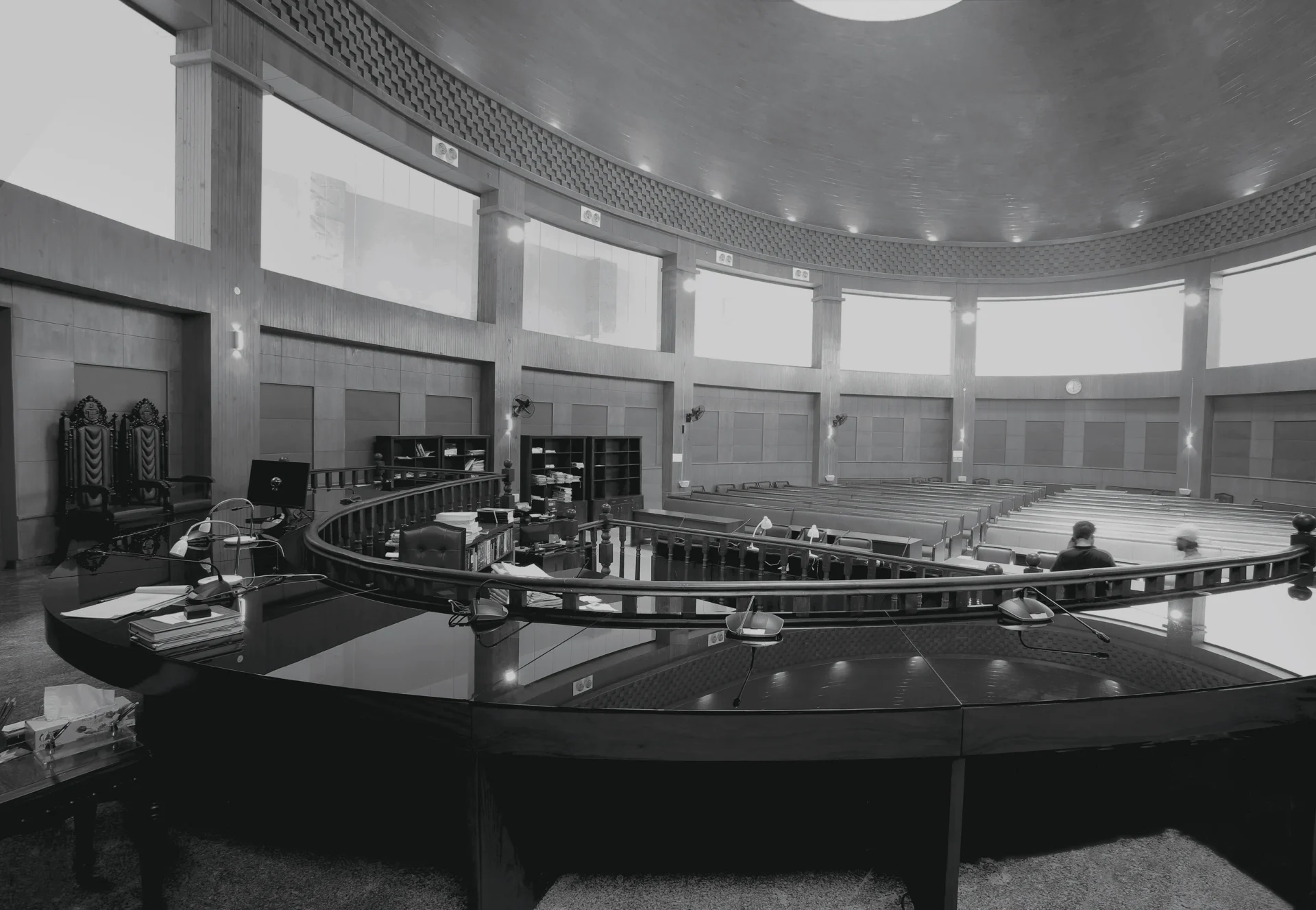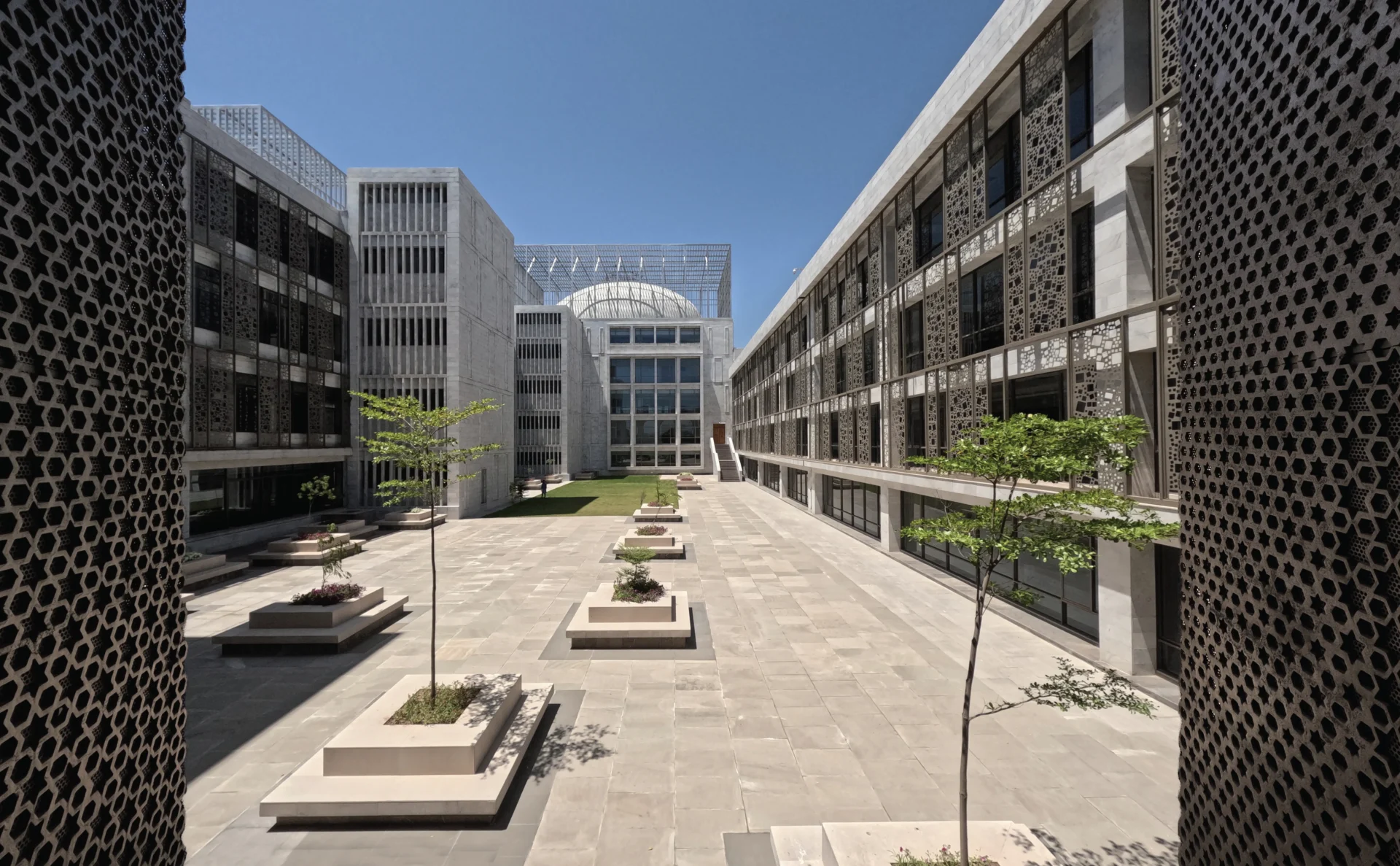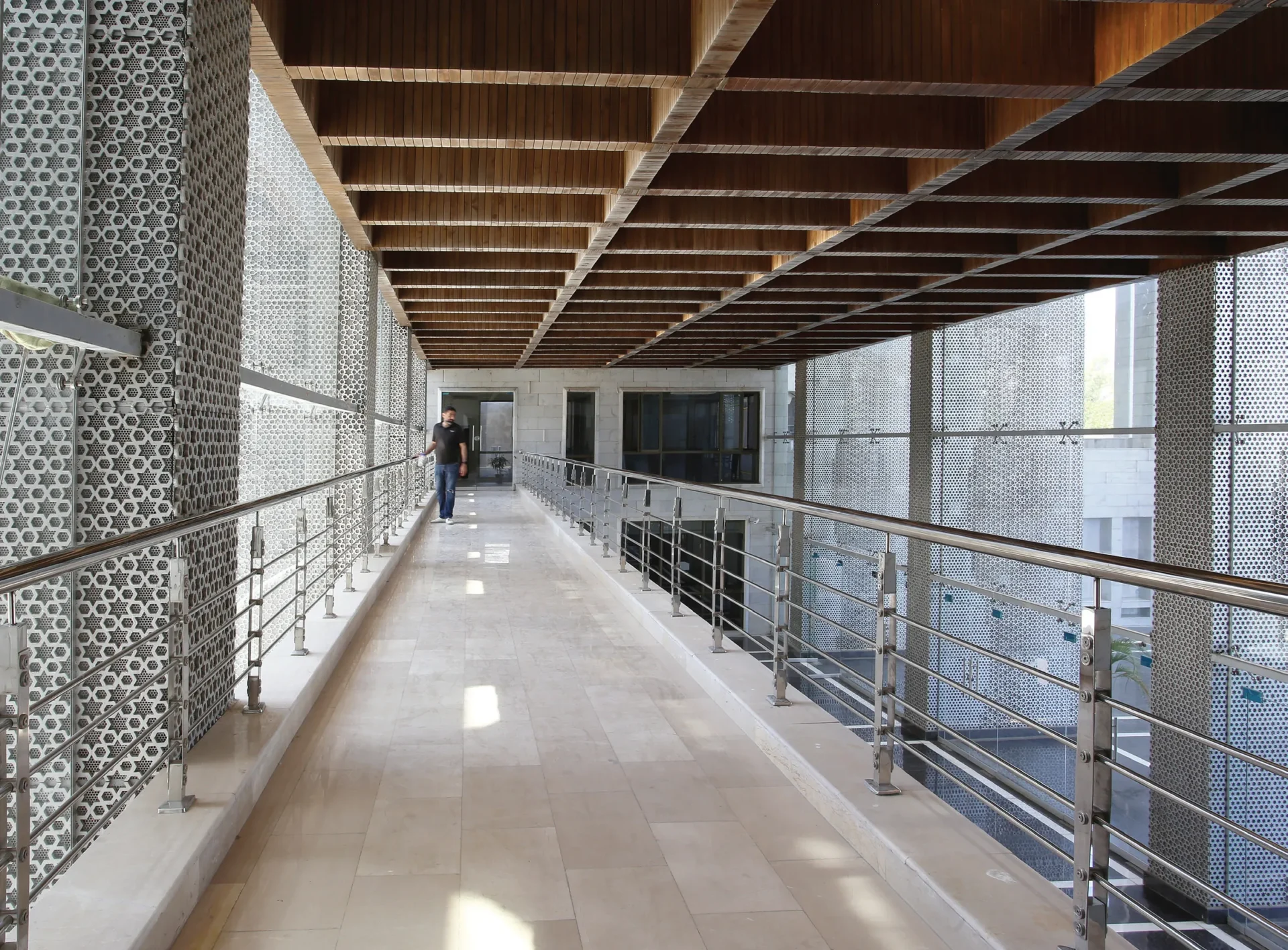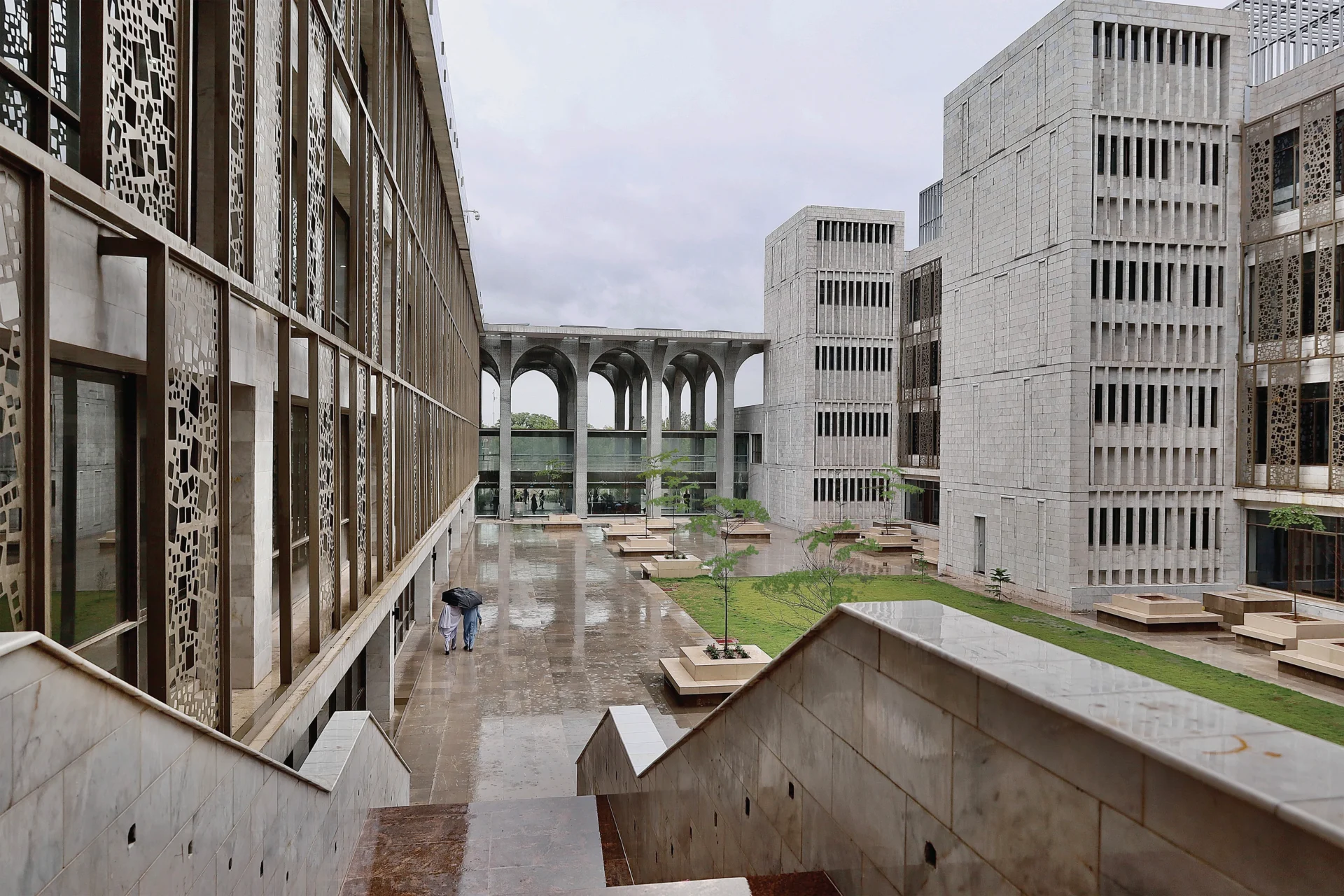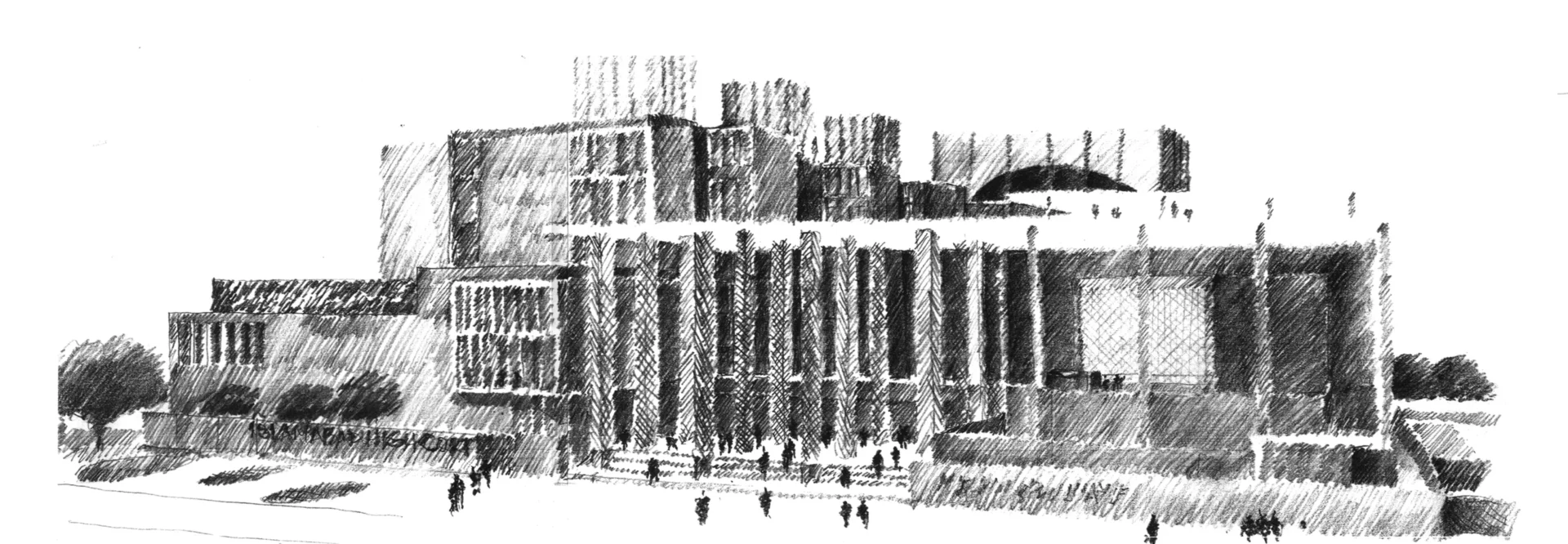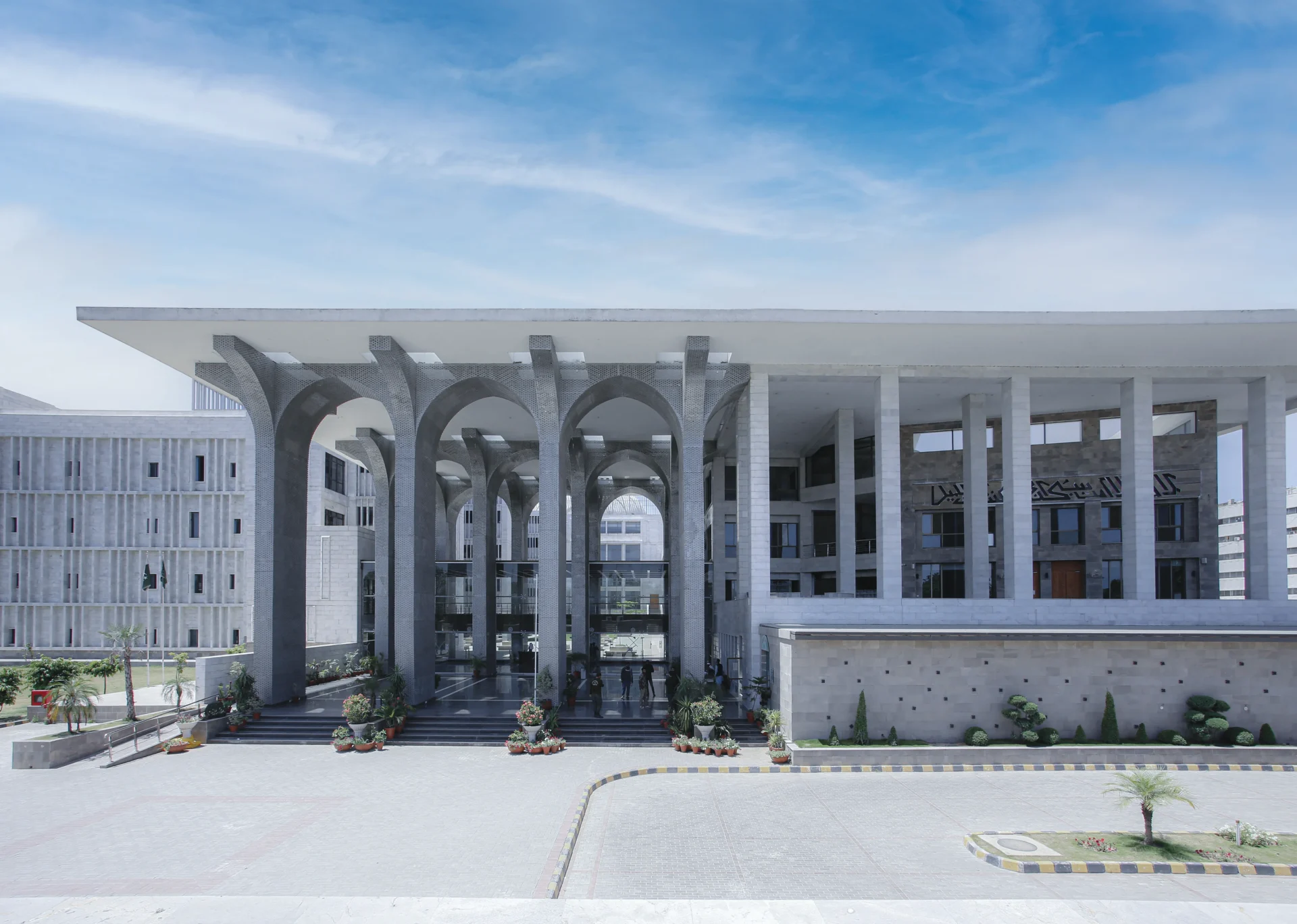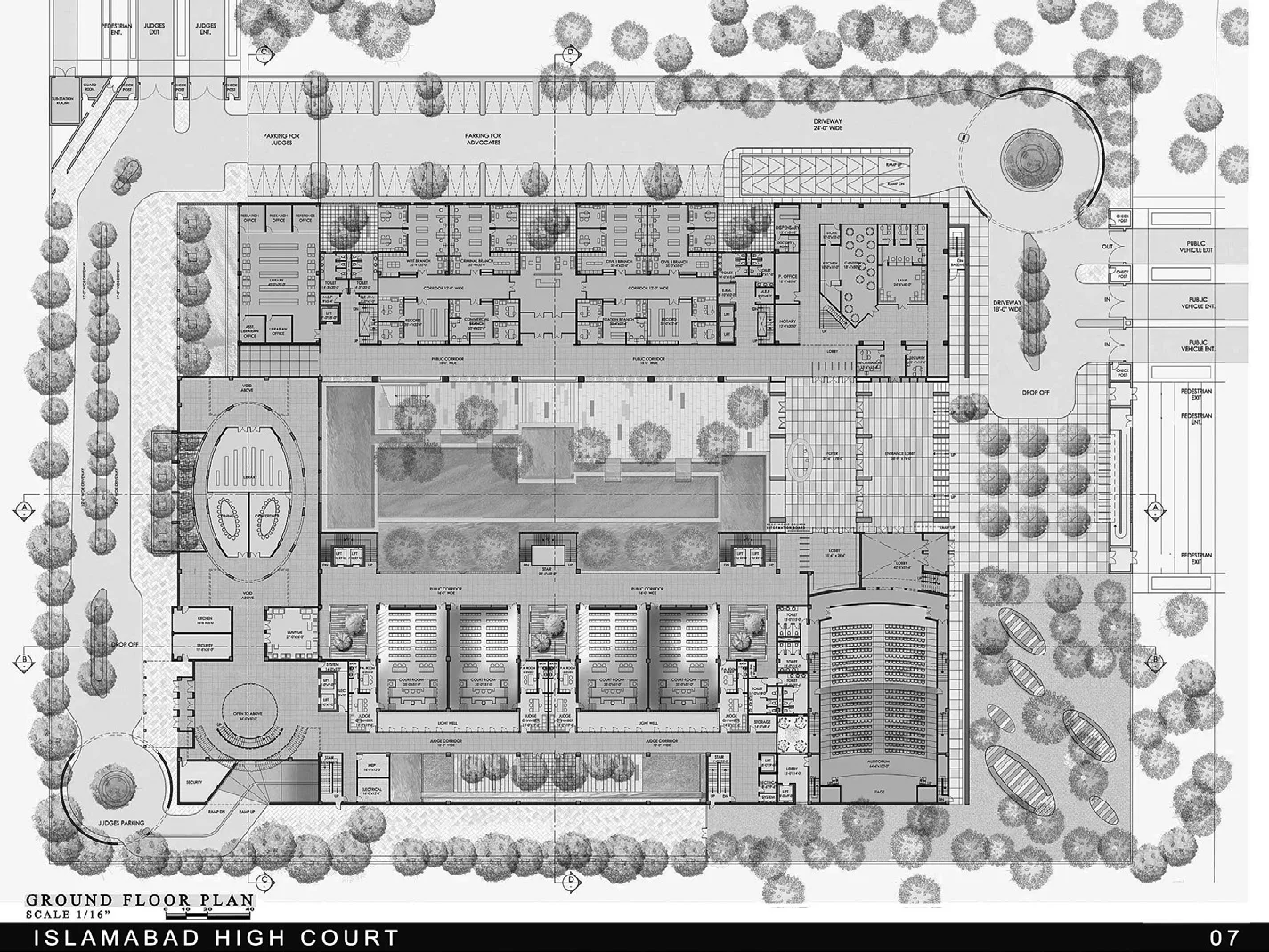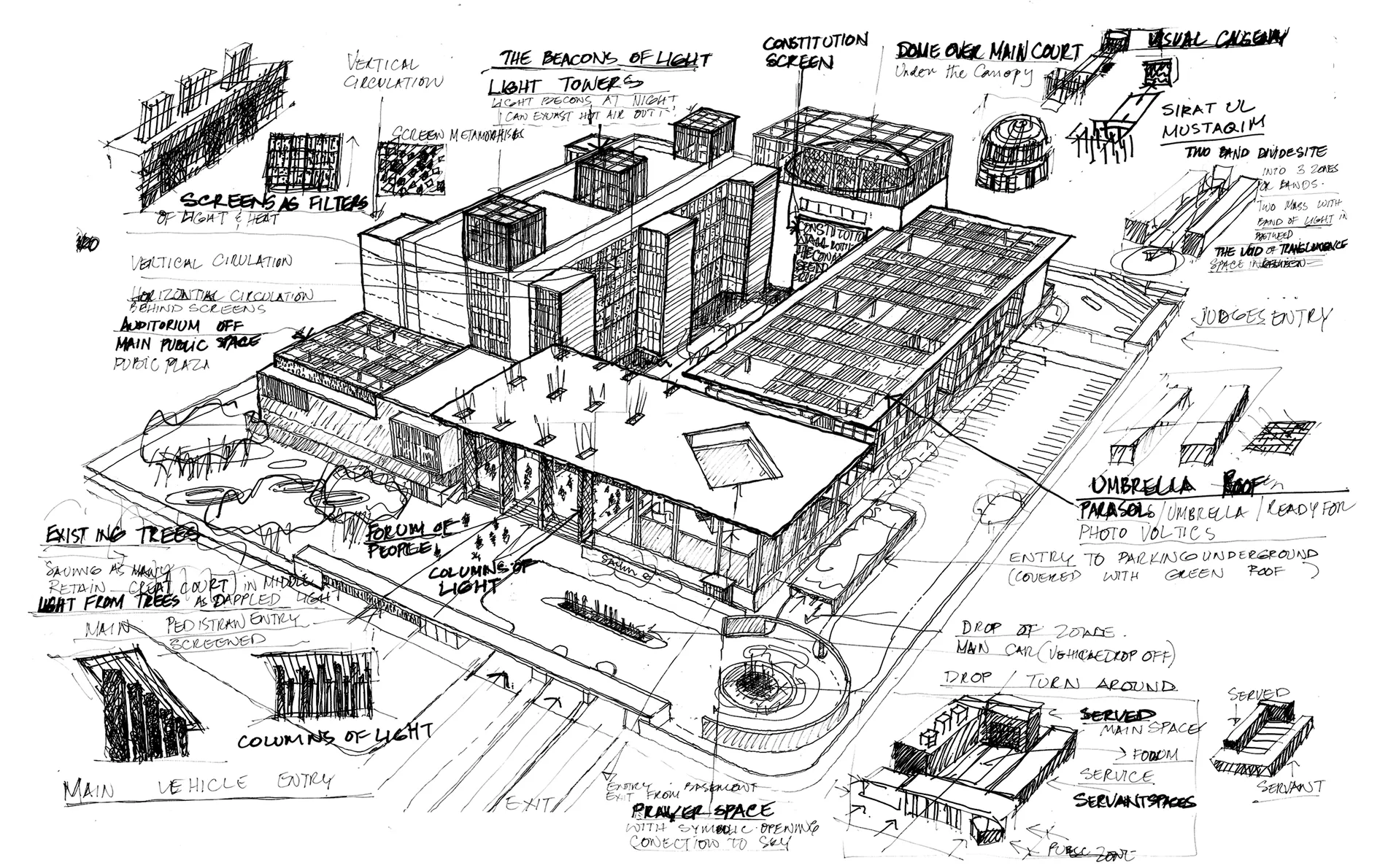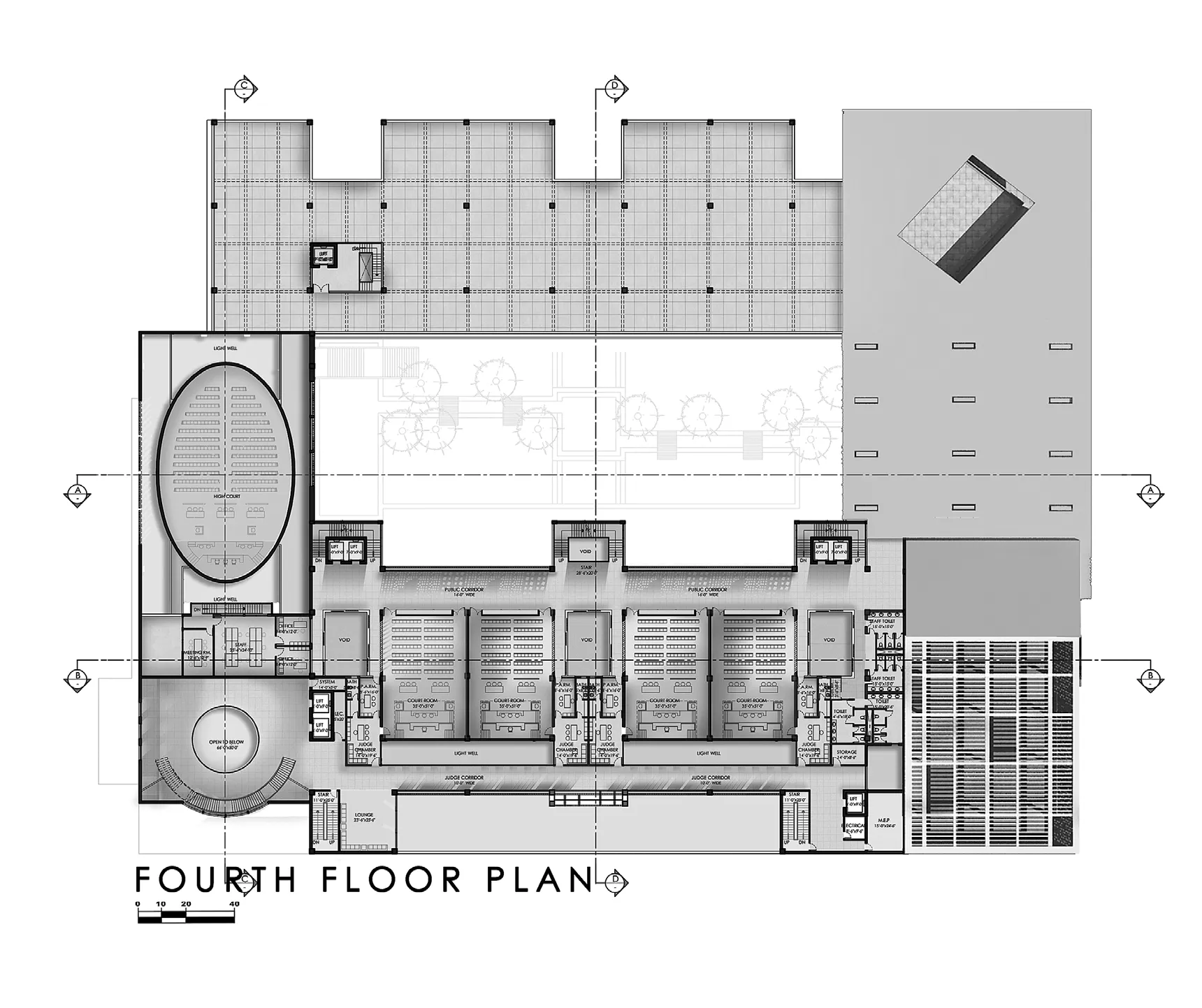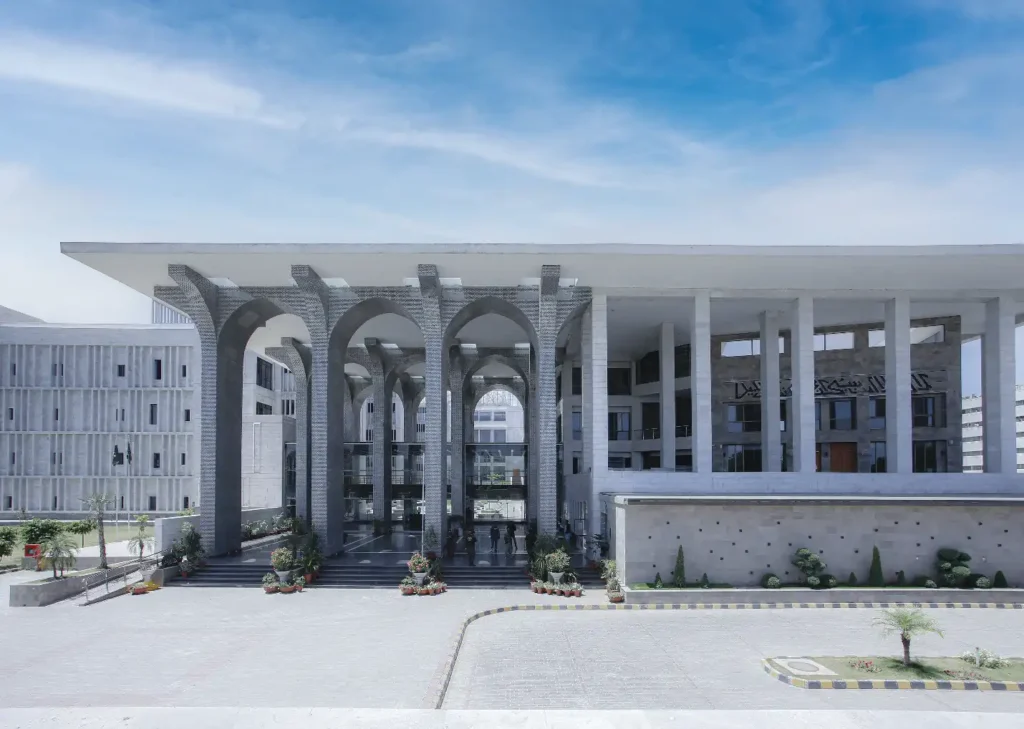
In a country where public projects are often stalled or diluted by shifting governments, economic strain, and political upheaval, the realization of the Islamabad High Court stands out as a remarkable triumph. A project born of a rare architectural competition held by the government in 2012, its completion in 2023 with nearly eighty percent faithful to the original winning design—is not just commendable. It is historic. It of Karachi, known for his conceptual depth and poetic sensibilities, the Islamabad High Court is more than a judicial complex—it is a mediation on Pakistan’s seven-decade-long search for identity, order, and regional meaning. In a land often suspended between tradition and modernity, and amidst architectural expressions swinging from borrowed global aesthetics to vernacular roots, this building attempts to ground itself in something deeply symbolic yet.
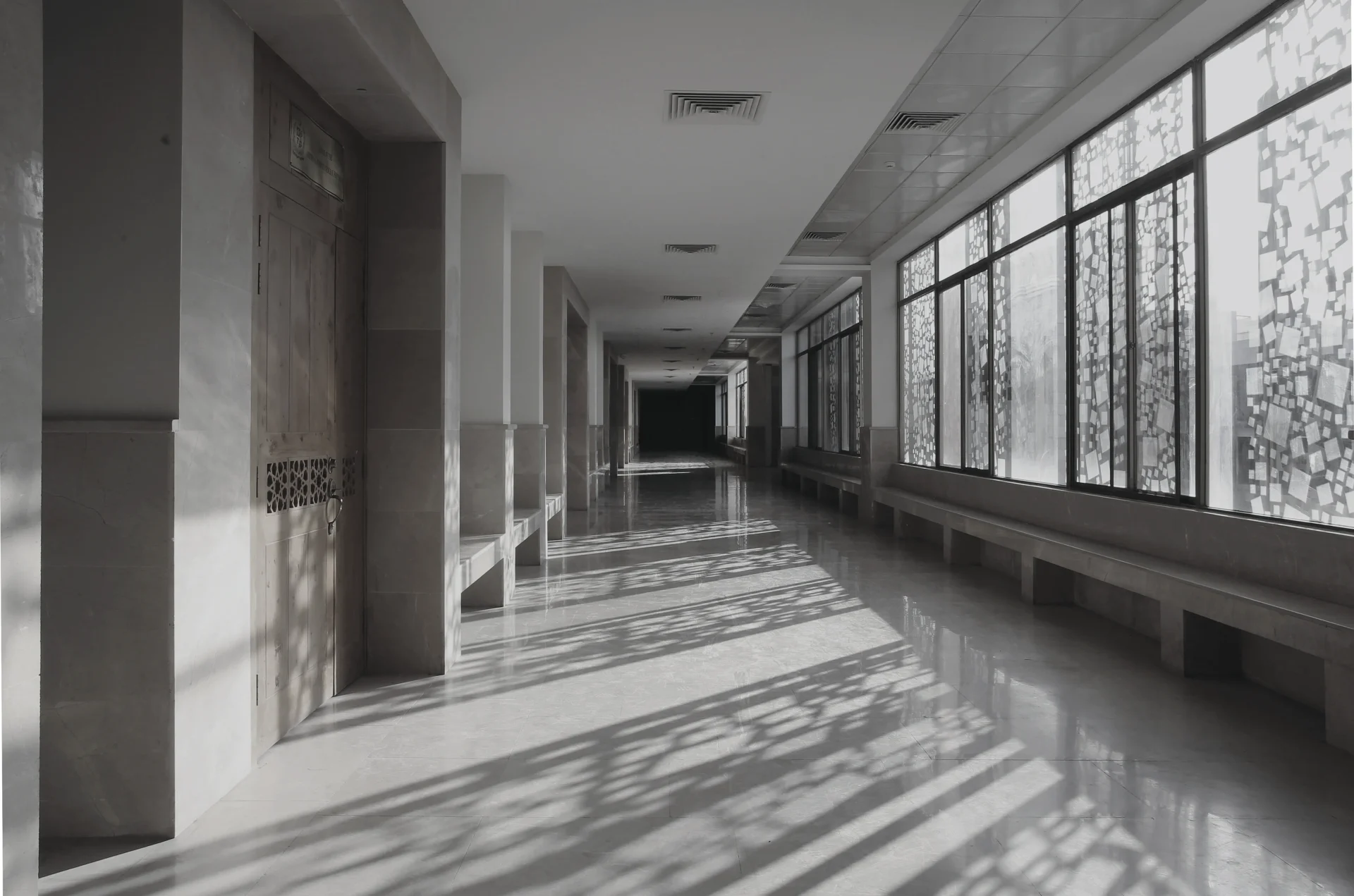
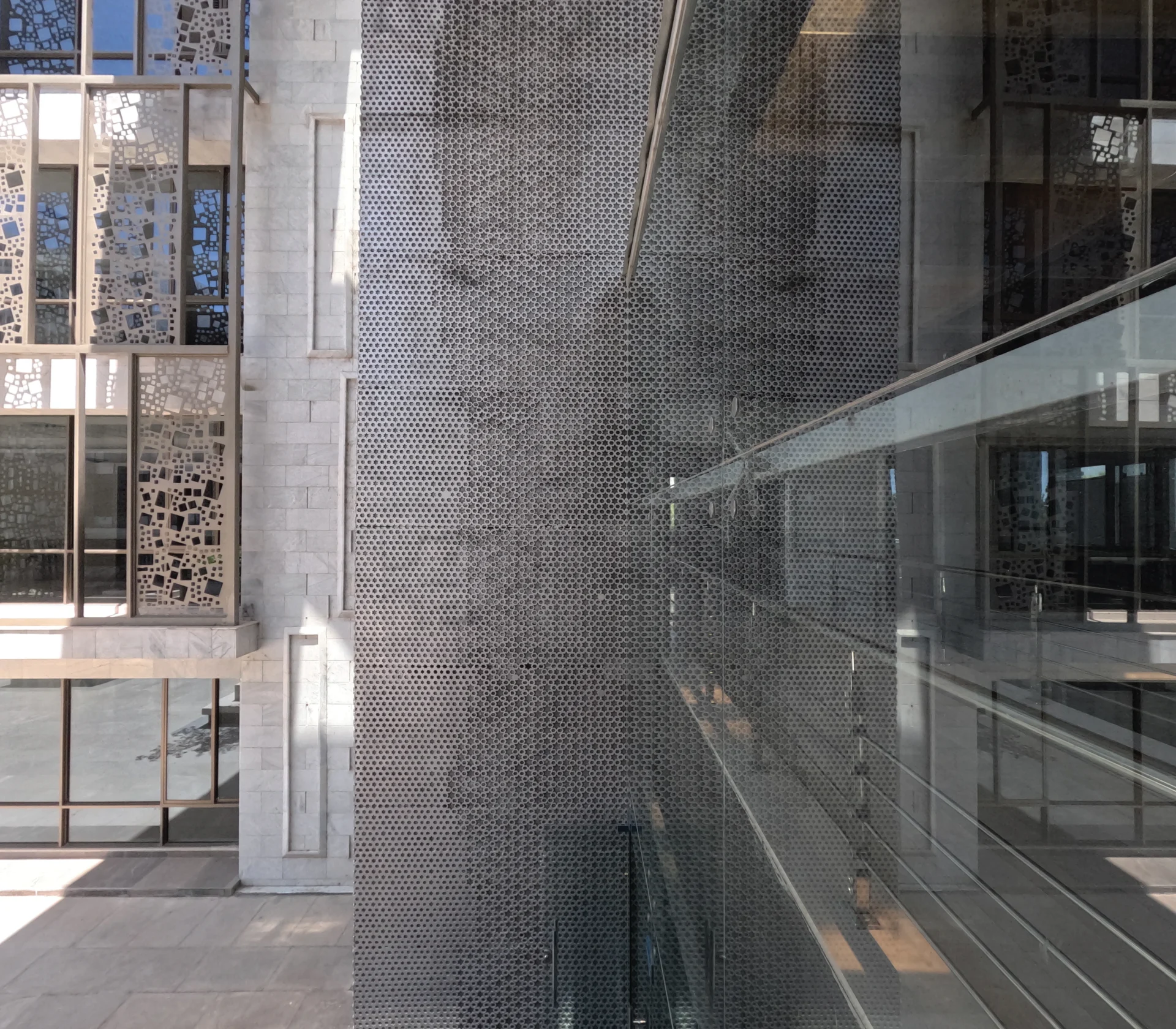
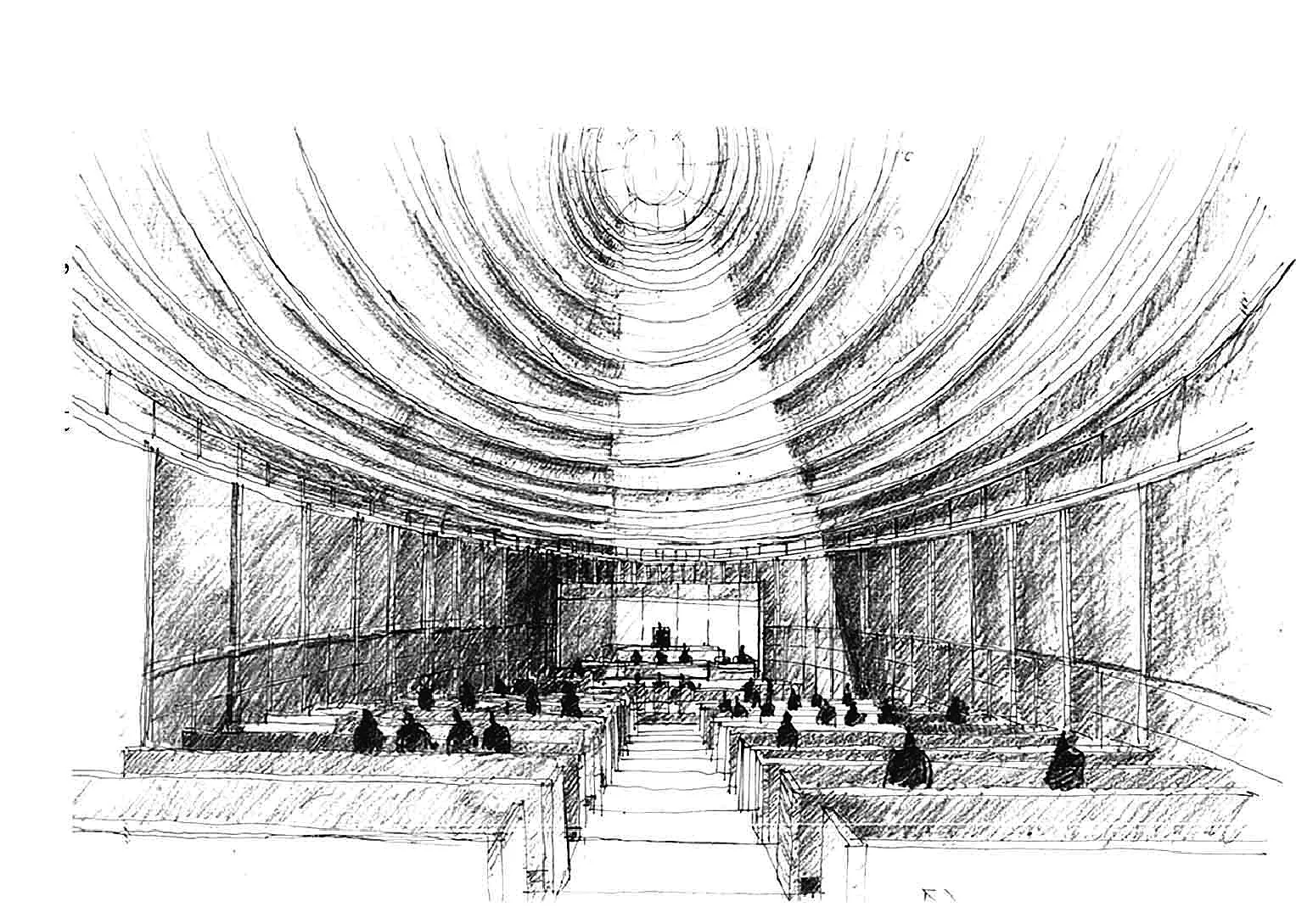
Designed by architect Tariq Hasan, principal of Tariq Hasan Studio of Karachi, known for his conceptual depth and poetic sensibilities, the Islamabad High Court is more than a judicial complex—it is a mediation on Pakistan’s seven-decade-long search for identity, order, and regional meaning. In a land often suspended between tradition and modernity, and amidst architectural expressions swinging from borrowed global aesthetics to vernacular roots, this building attempts to ground itself in something deeply symbolic yet spatially contemporary. From its very conception, the Islamabad High Court project signaled a departure from conventional public architecture. It dared to ask not what a judicial building should look like, but what it could feel like. Designed on the metaphor of light, the project draws inspiration from the verses of Quran, socio poetic narrative and the magic of light in architecture. The architect has rooted the project in a phenomenological approach—one that prioritizes human experience, atmosphere, and the emotional resonance of space.
The relationship between light and justice is ancient and ineffable. In mythologies and religious texts, light often carries sacred meaning—associated with divinity, clarity, and revelation. The design of the Islamabad High Court harnesses this metaphysical dimension. By embedding light in its architectural language, the building becomes a physical embodiment of justice itself. Light carves out solemn spaces, offers moments of stillness, and invites both judge and citizen to reflect not just on the law, but on its higher moral purpose.